Interior Decoration Services: Transforming Spaces with Style
Wiki Article
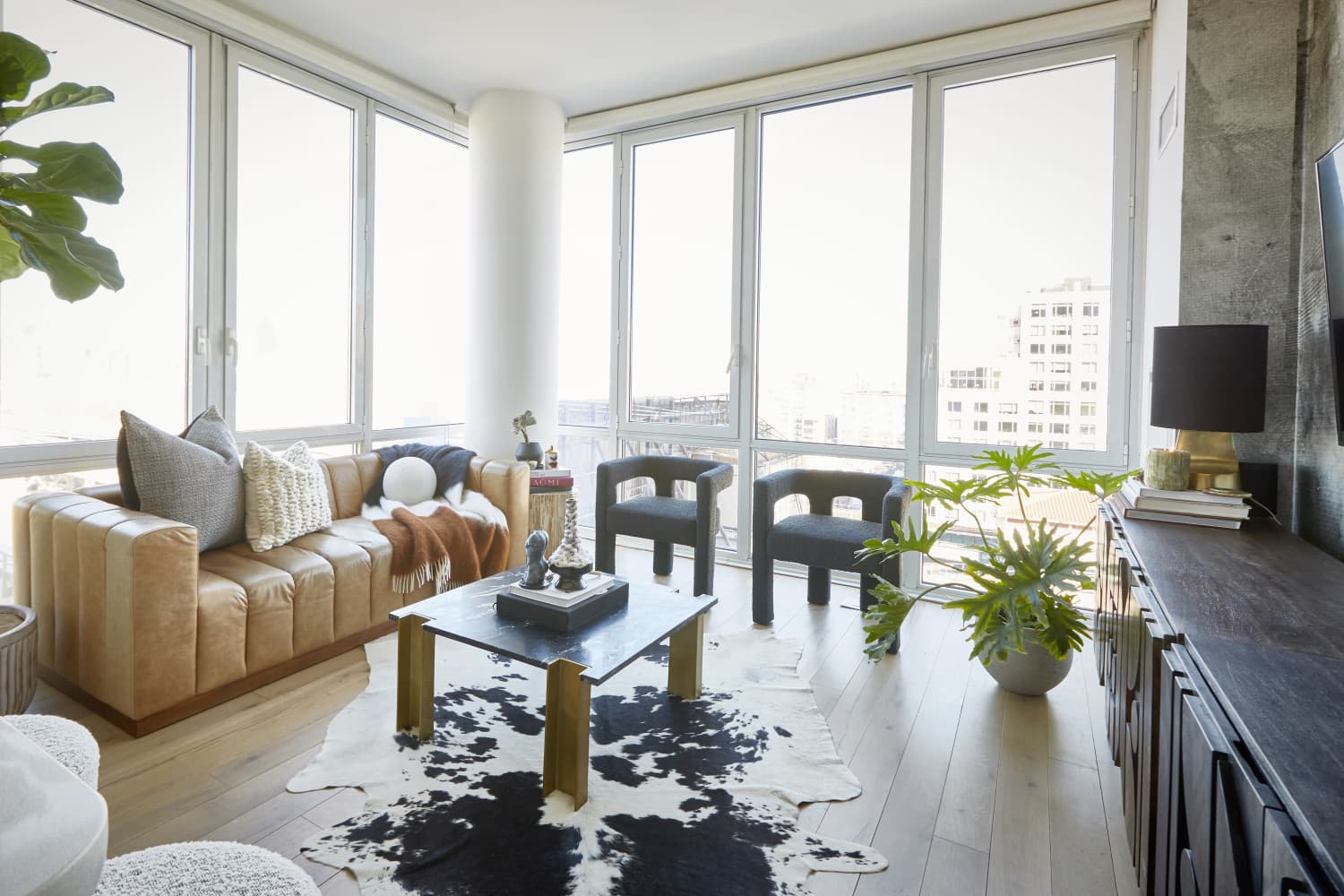
Interior decoration is an essential aspect of home and office design, playing a crucial role in enhancing aesthetics, functionality, and comfort. Whether you're revamping your home, designing a new office space, or seeking professional expertise to create a cohesive look, interior decoration services offer customized solutions that align with your preferences, lifestyle, and budget.
In this comprehensive guide, we will explore various facets of interior decoration services, including design principles, popular styles, essential elements, and the benefits of hiring professionals. Whether you are looking to refresh a single room or undertake a complete makeover, understanding the fundamentals of interior decoration can help you make informed decisions.
The Importance of Interior Decoration
1. Enhancing Aesthetic Appeal
Interior decoration significantly influences the visual appeal of any space. A well-decorated interior exudes elegance, sophistication, and harmony, creating a pleasant and inviting atmosphere.
2. Improving Functionality
Good interior design is not just about aesthetics; it also focuses on optimizing the functionality of a space. Thoughtful layouts, strategic furniture placement, and smart storage solutions contribute to a more efficient and organized environment.
3. Reflecting Personal Style
Your home or office should reflect your personality and taste. Interior decorators help translate your vision into reality by curating colors, textures, and materials that align with your preferences.
4. Boosting Property Value
Well-designed interiors can significantly increase the value of a property. High-quality materials, modern design trends, and professional finishes make a home or commercial space more appealing to potential buyers or tenants.
Key Elements of Interior Decoration
1. Color Scheme
Color plays a pivotal role in setting the mood and ambiance of a space. Interior decorators consider factors such as natural lighting, room size, and desired atmosphere when selecting color palettes.
Popular color schemes include:
Neutral tones (beige, white, gray) for a timeless and elegant look.
Bold hues (red, navy, emerald green) for a dramatic and dynamic effect.
Pastel shades (lavender, mint, blush) for a soft and soothing ambiance.
2. Furniture Selection
Furniture is a fundamental component of interior decoration. Professional decorators select pieces that complement the overall design theme while ensuring comfort and functionality.
Considerations include:
Space availability and layout
Material durability and maintenance
Style consistency (modern, traditional, eclectic, etc.)
3. Lighting
Lighting enhances the aesthetic appeal and functionality of a space. Different types of lighting include:
Ambient Lighting: General illumination through ceiling fixtures and chandeliers.
Task Lighting: Focused lighting for specific activities like reading or cooking.
Accent Lighting: Decorative lighting to highlight artwork, architectural features, or statement pieces.
4. Wall Decor & Art Pieces
Decorative elements like paintings, mirrors, wallpapers, and wall hangings add character to a space. Interior decorators carefully select these items to complement the overall design scheme.
5. Flooring & Rugs
The choice of flooring influences both aesthetics and functionality. Popular flooring options include hardwood, tiles, laminate, and carpets. Area rugs and runners can enhance comfort and add warmth to a space.
6. Window Treatments
Curtains, blinds, and drapes contribute to privacy, light control, and visual appeal. Interior decorators help choose the right window treatments that align with the room’s design theme.
Popular Interior Decoration Styles
1. Modern Style
Characterized by clean lines, neutral colors, and minimalistic furnishings, modern interior decoration focuses on simplicity and functionality.
2. Contemporary Style
Often confused with modern design, contemporary style is more fluid, incorporating current trends while maintaining a sleek and sophisticated look.
3. Traditional Style
This style embraces classic furniture, ornate details, and rich colors, creating a warm and timeless ambiance.
4. Minimalist Style
Inspired by Japanese design principles, minimalism emphasizes simplicity, open spaces, and a clutter-free environment.
5. Bohemian Style
A free-spirited and artistic approach, Bohemian interiors feature vibrant colors, eclectic patterns, and an assortment of textures.
6. Industrial Style
Characterized by raw materials, exposed pipes, and rustic furniture, industrial interiors embrace a rugged and urban aesthetic.
7. Scandinavian Style
A popular choice for its cozy and functional elements, Scandinavian interiors use light colors, natural materials, and simple furnishings.
Benefits of Hiring Professional Interior Decorators
1. Expertise & Creativity
Interior decorators possess the skills and knowledge to transform ordinary spaces into visually stunning and highly functional environments.
2. Time & Cost Efficiency
Professionals streamline the design process, preventing costly mistakes and ensuring the efficient use of resources.
3. Access to Exclusive Resources
Interior decorators have access to exclusive furniture, fabrics, and decor items that may not be available to the general public.
4. Personalized Solutions
A professional decorator tailors the design to suit your lifestyle, preferences, and budget, ensuring a customized and satisfying outcome.
Steps Involved in Interior Decoration Services
1. Consultation & Planning
The process begins with an initial consultation to understand the client’s vision, needs, and budget. A detailed plan is then developed, including mood boards and 3D visualizations.
2. Space Analysis & Design Concept
Measurements, lighting analysis, and functionality assessments help in creating a strategic design layout.
3. Material & Furniture Selection
Choosing the right materials, colors, textures, and furnishings to bring the design concept to life.
4. Implementation & Execution
This phase includes painting, furniture placement, lighting installation, and final touches.
5. Final Review & Adjustments
The decorator ensures that every element is aligned with the client’s expectations and makes necessary adjustments if required.
Conclusion
Interior decoration services are essential for creating aesthetically pleasing, functional, and comfortable spaces. Whether you prefer a modern, traditional, or eclectic design, professional decorators bring expertise, creativity, and efficiency to transform your vision into reality.
Investing in professional interior decoration not only enhances your living or working space but also increases property value, making it a worthwhile consideration. Whether you’re decorating a single room or revamping an entire space, the right interior decoration service can make all the difference.
Report this wiki page